
Explore Afghan Cuisine in San Luis Obispo
Explore Afghan Cuisine
in San Luis Obispo
Catering!
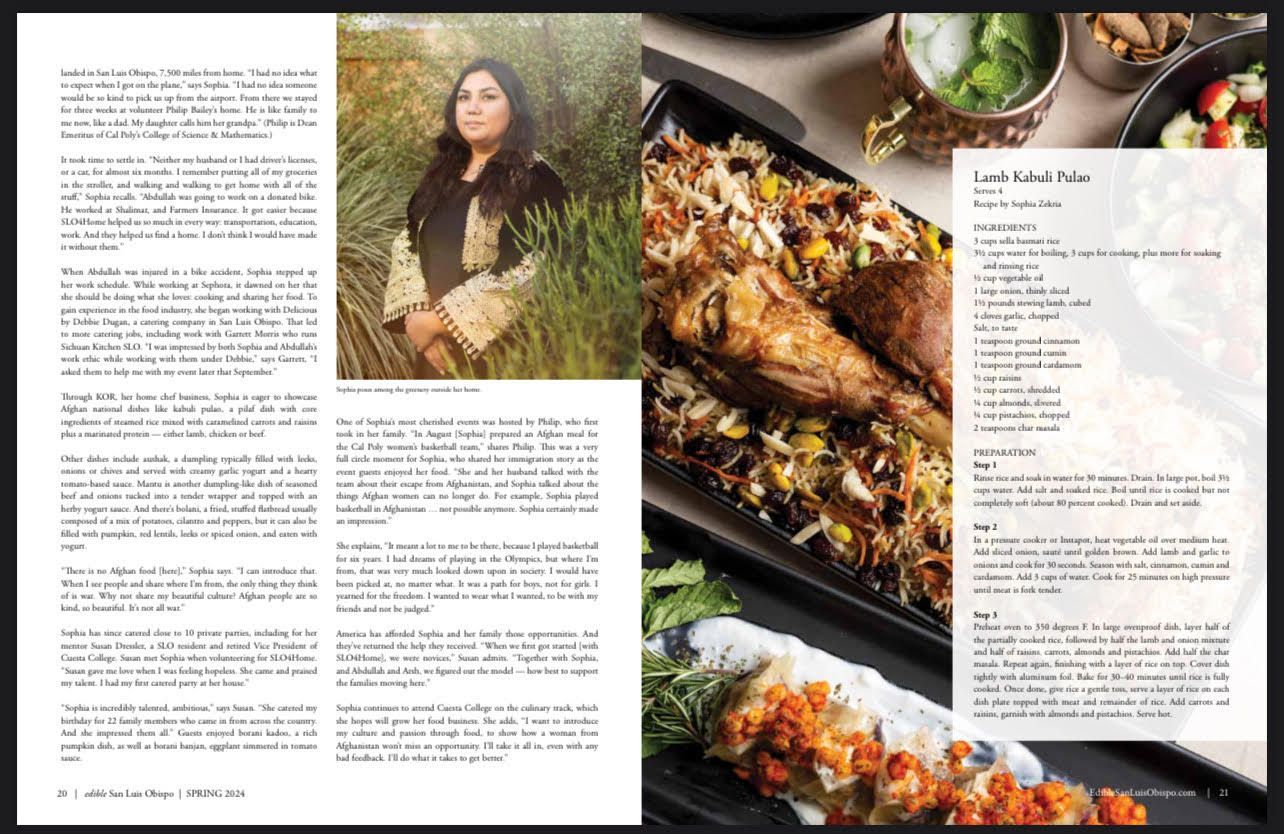
Kor Kitchen by Chef Sophia Zekria offers private chef services, catering, and curated events. Whether it’s a dinner for 2 or a party for 200+, I bring Afghan flavors, charcuterie boards, appetizers, and creative bites made just for your event.
Book me for your next special event, private dinner, or meaningful occasion. Every dish is made with love and care.
Wednesday Lunch!
Beginning June 25, join us every Wednesday from 11 AM to 2 PM at 4750 Allene Way to experience a beloved Afghan tradition: our handcrafted Bolani.
Delicately thin and crisp, filled with a harmonious blend of fresh leeks, seasonal vegetables, and tender potatoes — accompanied by our signature tangy and subtly spicy sauce.
A true taste of Afghan heritage, prepared with care and passion.
Enjoy our authentic Afghan cuisine through dine-in, takeout, catering and private chef services.
Life is dull without your own majestic private event. Round up your friends, family, lovers, admirers, muses, and more, and let Kor Kitchen host your next soirée. Whether you’re an intimate gathering of 5 or a vibrant celebration of 150, we offer a range of tantalizing options that bring the essence of Afghan cuisine to your event.
At Kor Kitchen, we pride ourselves on not just the flavor but the beautiful presentation of our food, making each table a visual delight. Our catering services allow you to bring the flavors and artistry of Afghanistan to your chosen location. Ask for our Private Event Package to discover all we offer.
Write to us at sophia.zekria550@gmail.com, and we’ll create an unforgettable experience for your next event.


kor kitchen slo
We're excited to share some fresh new photos with you—
check them out below to get a glimpse of our delicious offerings!


Catering & Private Chef Services
Enjoy seamless catering and private chef services with attention to detail, ensuring a memorable dining experience for you and your guests.
Restaurant Dining
Immerse yourself in a welcoming ambiance, perfect for intimate dinners, family gatherings, or casual meals with friends.
Takeout Options
Experience the same fresh and flavorful dishes prepared with care, whether you dine in or take out.